ShunyaMind
ShunyaMind
brain learning visual

The Learning Friction Reduction System

A Cognition-First Architecture to Identify and Reduce the Conditions That Block Learning.
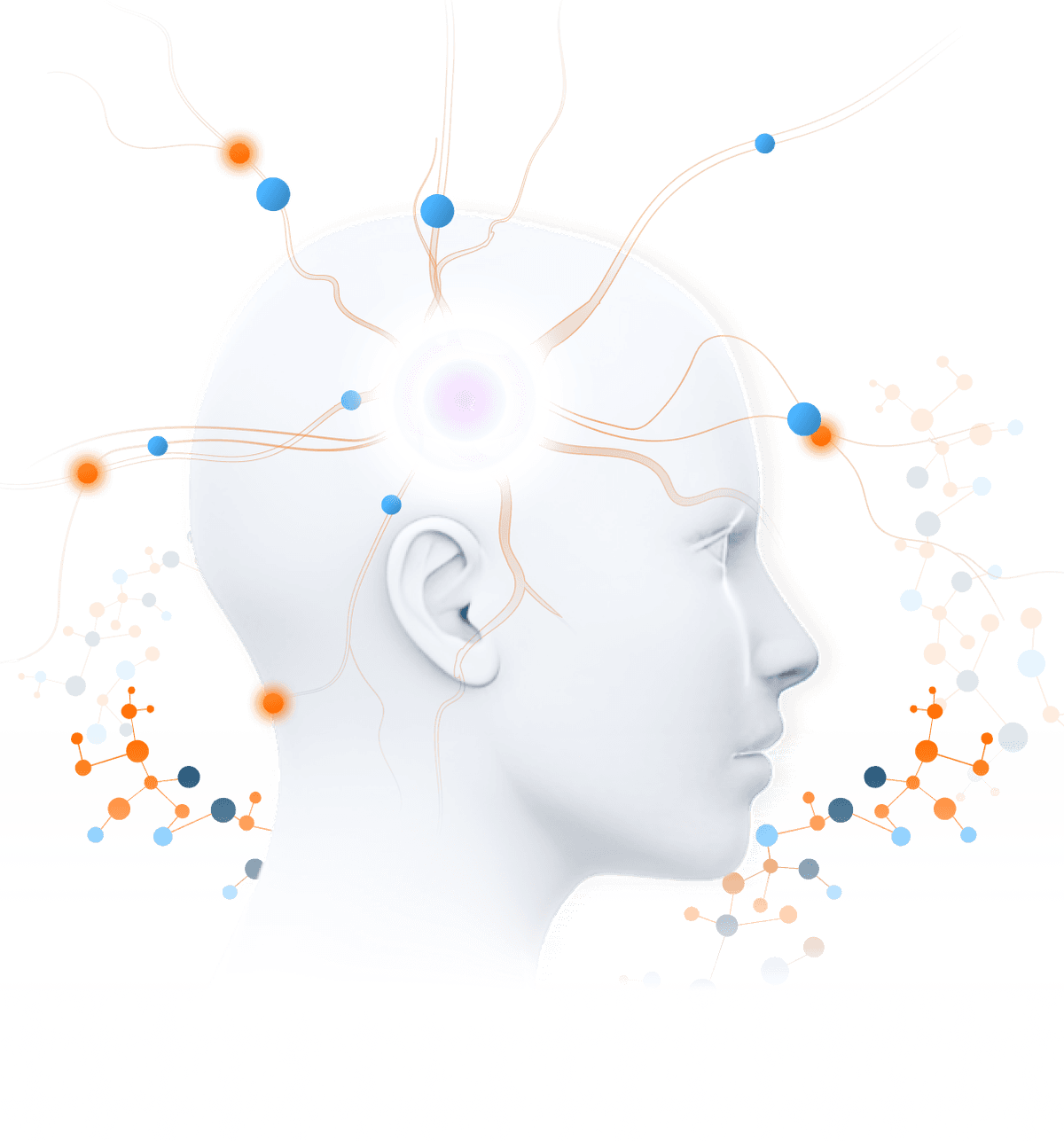
This system does not teach content. It stabilizes the internal conditions required for learning to work.

18 years of NEET/JEE Expertise
Rooted in Cognitive Science
Backed by Results

Why Students Really Struggle?

Most students don't struggle because the syllabus is hard. They struggle because friction builds inside the mind, emotions, environment, and identity.

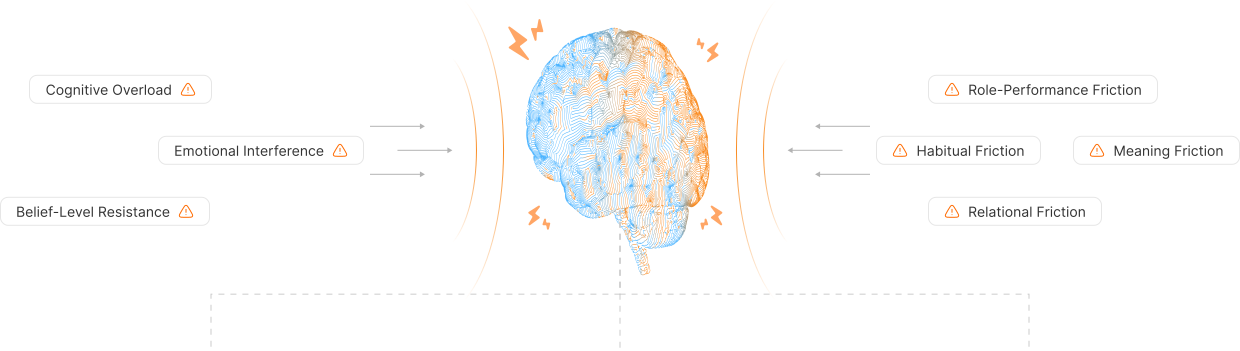
This has The 7 Diagnostic Domains of Learning Friction

Most students experience 2 – 3 dominant friction types at a time. These are not personality traits. They are system conditions.
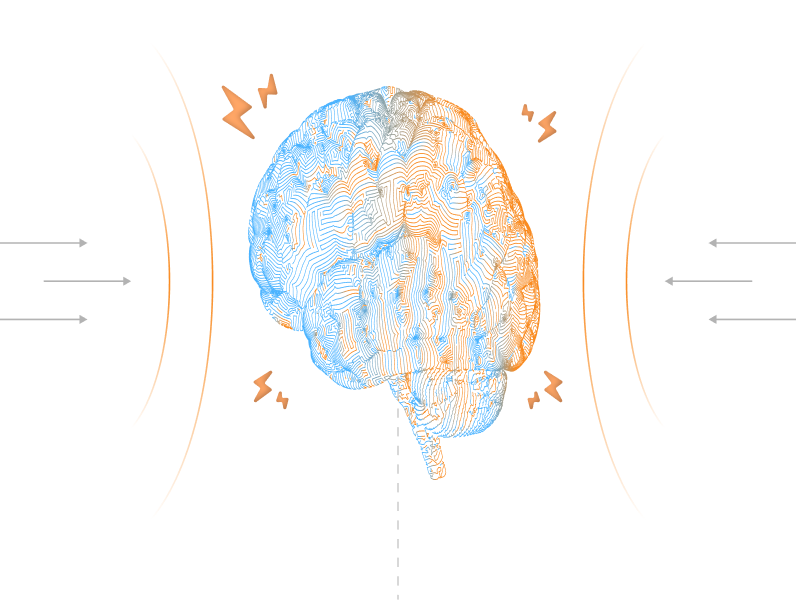
Brain Diagram
Background Pattern

1. Cognitive Overload

"My brain just shuts...until it suddenly doesn't."

Common student signals:

  • "I study after 11 PM - then everything feels burned."
  • "I keep repeating the same line."
  • "I understand in class, but forget at home."
  • "My mind refuses to start studying."
  • "My chapters feel impossible to enter."
  • "I know the proof...but can't apply it."

Support Protocol:

Load balancing, encoding stabilization, chunked entry pathways

2. Emotional Interference

"I want to learn, but something inside me feels scared."

Common student signals:

  • "Even when I sit to study, I feel restless."
  • "I panic when I open the book."
  • "I avoid difficult chapters because they feel heavy."
  • "I feel pressure in my chest before tests."
  • "When something is tough, I shut down."
  • "I need someone to reassure me constantly."

Support Protocol:

Emotional buffering, calm-mode restoration

3. Belief-Level Resistance

"Maybe this topic just isn't for me..."

Common student signals:

  • "I'm not a physics person."
  • "I'm just slow at biology."
  • "Smart students get this...I don't."
  • "This chapter always breaks me."
  • "I fail once = everything feels pointless."

Support Protocol:

Belief recalibration, cognitive realignment, success reinforcement loops

4. Role-Performance Friction

"I must be smart, not struggle."

Common student signals:

  • "I don't ask doubts because others will judge me."
  • "I pretend I understand even when I don't."
  • "I study only when someone is watching."
  • "I can't afford to fail...not even once."
  • "I avoid solving in class out of fear."

Support Protocol:

Safe-learning state creation, exploration-first stabilization

5. Habitual Friction

"I sit to study...but my mind isn't ready."

Common student signals:

  • "Some days I study hard, some days 0."
  • "My sleep schedule destroys my morning."
  • "I waste 2 hours on phone."
  • "I study at the wrong time of day."
  • "Breaks become hours-long distractions."
  • "Once my flow breaks, it's almost impossible to start again."

Support Protocol:

Rhythm realignment, energy stabilization, environmental re-tuning

6. Relational Friction

"I'm learning with someone else's voice in my head."

Common student signals:

  • "What if I disappoint my parents?"
  • "Teacher will think I'm dumb."
  • "Everyone expects me to top."
  • "I feel like I'm carrying everyone's expectations on my shoulders."
  • "I study out of fear, not interest."
  • "I feel watched."

Support Protocol:

Cognitive boundary reinforcement, relational detachment protocols

7. Meaning Friction

"What's the point of all this?"

Common student signals:

  • "I don't know why I'm studying."
  • "Routine feels mechanical and empty."
  • "Nothing feels meaningful anymore."
  • "Everything I study feels like moving without a purpose."
  • "Some days, studying feels like working without direction."
  • "My mind wanders even when I want to focus."

Support Protocol:

Meaning realignment, purpose regeneration loops, emotional anchoring

1. Cognitive Overload

"My brain just shuts...until it suddenly doesn't."

Common student signals:

  • "I study after 11 PM - then everything feels burned."
  • "I keep repeating the same line."
  • "I understand in class, but forget at home."
  • "My mind refuses to start studying."
  • "My chapters feel impossible to enter."
  • "I know the proof...but can't apply it."

Support Protocol:

Load balancing, encoding stabilization, chunked entry pathways

2. Emotional Interference

"I want to learn, but something inside me feels scared."

Common student signals:

  • "Even when I sit to study, I feel restless."
  • "I panic when I open the book."
  • "I avoid difficult chapters because they feel heavy."
  • "I feel pressure in my chest before tests."
  • "When something is tough, I shut down."
  • "I need someone to reassure me constantly."

Support Protocol:

Emotional buffering, calm-mode restoration

3. Belief-Level Resistance

"Maybe this topic just isn't for me..."

Common student signals:

  • "I'm not a physics person."
  • "I'm just slow at biology."
  • "Smart students get this...I don't."
  • "This chapter always breaks me."
  • "I fail once = everything feels pointless."

Support Protocol:

Belief recalibration, cognitive realignment, success reinforcement loops

4. Role-Performance Friction

"I must be smart, not struggle."

Common student signals:

  • "I don't ask doubts because others will judge me."
  • "I pretend I understand even when I don't."
  • "I study only when someone is watching."
  • "I can't afford to fail...not even once."
  • "I avoid solving in class out of fear."

Support Protocol:

Safe-learning state creation, exploration-first stabilization

5. Habitual Friction

"I sit to study...but my mind isn't ready."

Common student signals:

  • "Some days I study hard, some days 0."
  • "My sleep schedule destroys my morning."
  • "I waste 2 hours on phone."
  • "I study at the wrong time of day."
  • "Breaks become hours-long distractions."
  • "Once my flow breaks, it's almost impossible to start again."

Support Protocol:

Rhythm realignment, energy stabilization, environmental re-tuning

6. Relational Friction

"I'm learning with someone else's voice in my head."

Common student signals:

  • "What if I disappoint my parents?"
  • "Teacher will think I'm dumb."
  • "Everyone expects me to top."
  • "I feel like I'm carrying everyone's expectations on my shoulders."
  • "I study out of fear, not interest."
  • "I feel watched."

Support Protocol:

Cognitive boundary reinforcement, relational detachment protocols

7. Meaning Friction

"What's the point of all this?"

Common student signals:

  • "I don't know why I'm studying."
  • "Routine feels mechanical and empty."
  • "Nothing feels meaningful anymore."
  • "Everything I study feels like moving without a purpose."
  • "Some days, studying feels like working without direction."
  • "My mind wanders even when I want to focus."

Support Protocol:

Meaning realignment, purpose regeneration loops, emotional anchoring

This friction is reversible. It is not a limitation.

This system intervenes only at the level of learning conditions — not effort, discipline, or intelligence.
Background Pattern

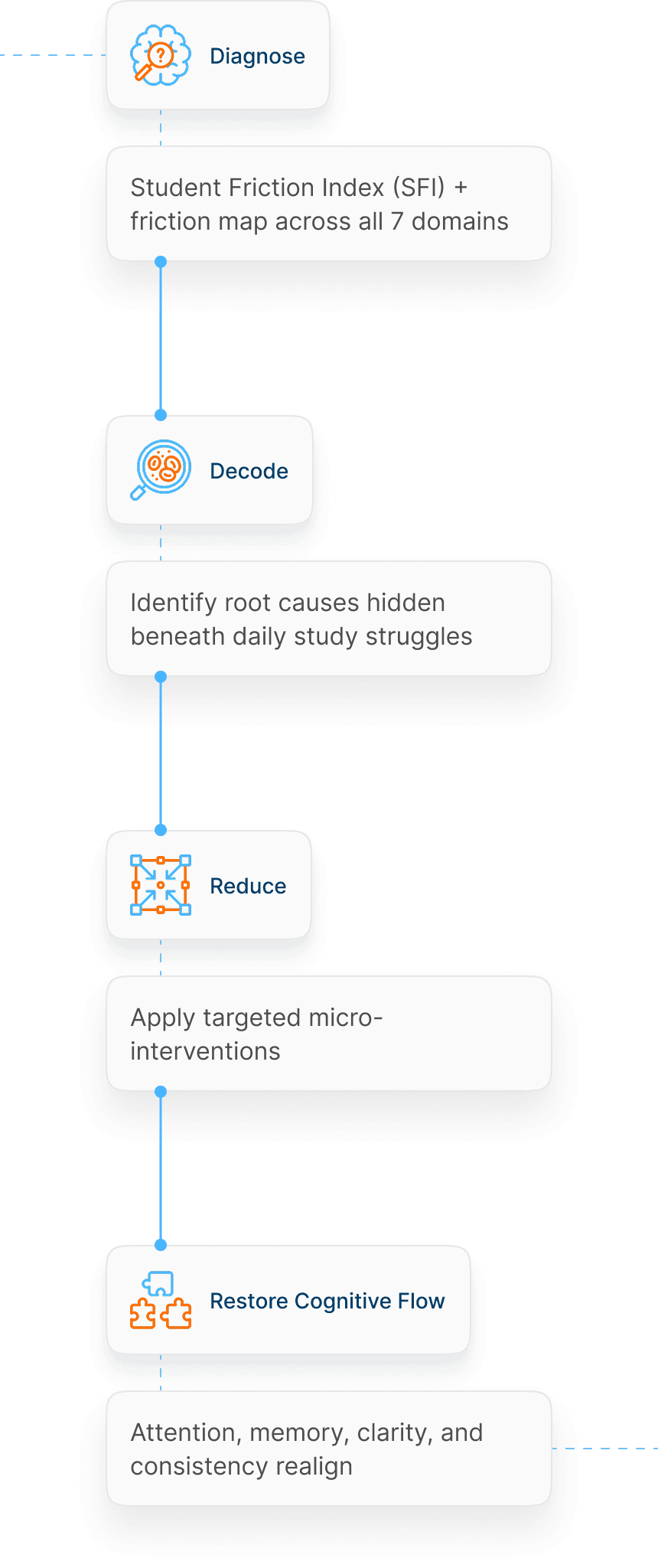
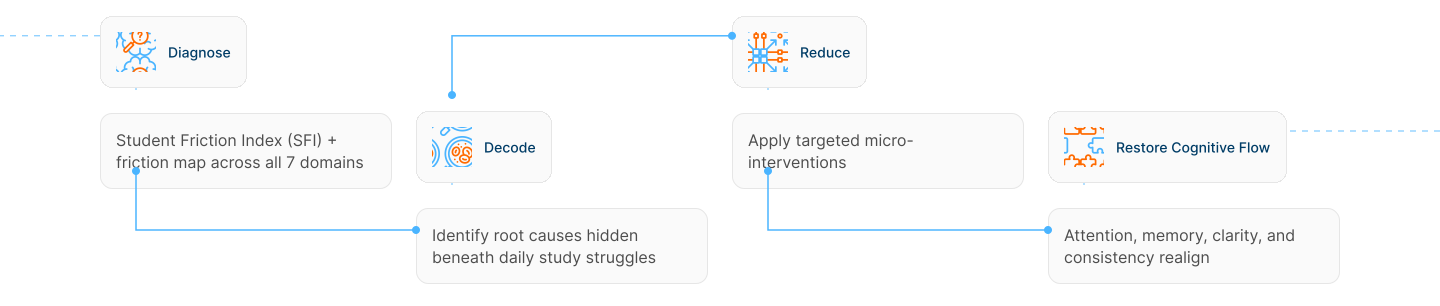
How the System Works Systems

These steps describe the system logic beneath the student experience shown on the homepage.
System Works Diagram
Background PatternBackground Pattern

The Cognitive Metrics
Behind the System

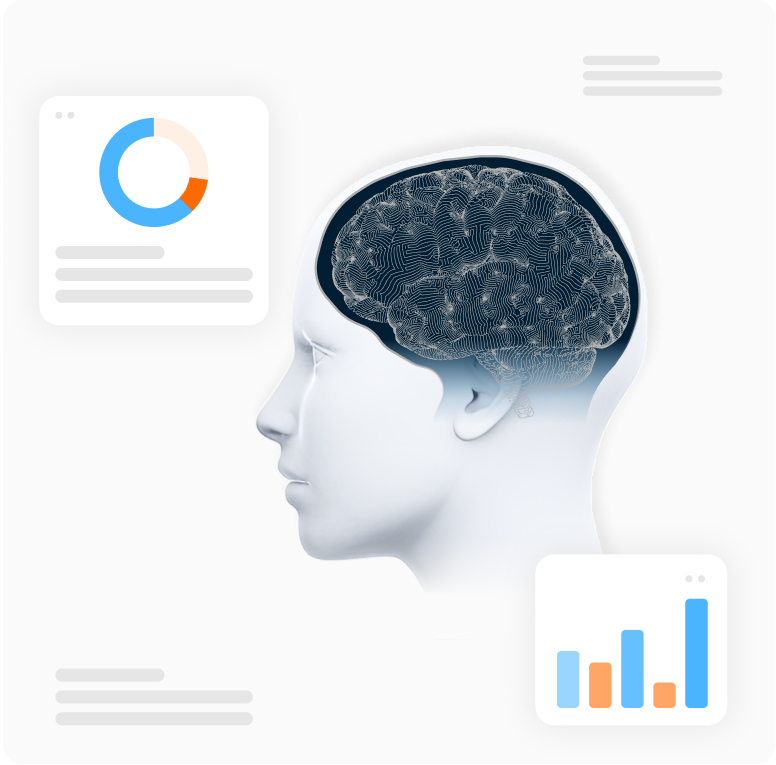
Student Friction Index (SFI):Maps friction across all 7 domains
Cognitive Load Index (CLI):Shows overwhelm, not effort, in current activation
Student Performance Index (SPI):Reflects how learning readiness improves across rebuilds
Cognitive Availability Index (CAI):Reflects how available the mind is for learning at any given moment

CAI integrates:

Cognitive loadEmotional interferenceHabitual rhythmMeaning alignment

As friction reduces across the 7 domains, cognitive availability
rises — and SPI improves.

Together, these metrics show how prepared the mind is for
learning — not just how fast a student talks.
Cognitive Metrics Visualization

These metrics do not rank students. They describe learning readiness — independent of marks.

Background Pattern

Observable Shifts
After Friction Reduces

These shifts emerge gradually as friction reduces — not instantly and not uniformly.

Students

For Students

  • Higher focus
  • Stronger retention
  • Reduced emotional noise
  • Calmer, less defensive
  • More consistent rhythm
  • Faster recall
  • More Stable MCQ performance
  • Lower procrastination
Parents

For Parents

  • Less stress in day-to-day
  • More self-driven effort
  • Predictable routine
  • Calmer behaviour
  • Less conflict at home
  • Reduced exam-related anxiety
  • Fewer meltdowns or follow-ups
  • More confidence in the child’s progress

Why This System is
Specifically
Designed for NEET & JEE JEE

Reducing friction → reveals true potential.

High Working Memory

Stabilised Working Memory

The mind holds relevant information without overload, loss, or constant effort during complex problem-solving.

High Emotional Stability

Regulated Emotional Load

Emotional fluctuations are buffered, preventing anxiety, panic, or frustration from disrupting cognitive performance.

High Cognitive Endurance

Prevent Cognitive Endurance

Mental energy remains available across long study sessions without early fatigue, burnout, or diminishing returns.

High Conceptual Integration

Coherent Concept Encoding

Concepts are integrated smoothly, enabling deeper understanding and application without confusion or fragmentation.

High Consistency

Consistent Retrieval Rhythm

Previously learned information becomes reliably accessible under pressure, timed assessments, and high-stakes testing.

Without cognitive availability, preparation volume alone fails.

The Thinking Behind Shunya Mind

Navneesh Bansal
FOUNDER
Navneesh Bansal

Navneesh Bansal

Educator
Cognitive Systems Architect
Cognition & Mindfulness Practitioner

As a teacher, I saw tens of thousands of brilliant students struggle — not because they lacked intelligence, but because they carried friction inside the mind. This system exists to fix the real problem — not the symptoms, not the chapters, but the mind at the point where learning breaks down.

Background PatternBackground Pattern

Engagement with this System begins through Diagnosis - not Enrolment.

For schools and coaching institutes exploring pilot partnerships, this system is applied institution-wide.

Talk to a Cognition Mentor

Who Understands your Challenges

Get your Personalised 7 Domain Friction
Map in 3 minutes.

Background Pattern

Let's Rebuild How Students Learn

Book a 20-min Discovery Call or take the Free Friction Check. Your information stays fully confidential, and you’ll hear from us within 24 hours. (Institutions only.)
Contact Information

Contact:
+91- 7300091470
Office Address:
R8, Royal Park, Deoli Arab Road, Near
Raipura Chouraha, Udyogpuri, Kota,
Rajasthan - 324004
Shunya Mind Icon

No spam. No sales pitch. Just a focused conversation.